Ibogaine does not work through a single mechanism. Within hours of a ceremony, opioid withdrawal symptoms stop — not through substitution, but through simultaneous action on kappa and mu-opioid receptors, NMDA receptors, sigma-2 receptors, and the serotonin transporter. The cascade continues long after the experience ends. Noribogaine — ibogaine's active metabolite — remains pharmacologically relevant for weeks to months, sustaining the neuroplasticity window during which addiction-related neural circuits are actively remodelling.
Ibogaine acts on kappa and mu-opioid receptors, NMDA glutamate receptors, sigma-2 receptors, and the serotonin transporter simultaneously — while triggering GDNF and BDNF elevation in dopamine-producing brain regions. Its active metabolite, noribogaine, extends these effects for weeks to months. The result is rapid interruption of opioid withdrawal followed by a sustained period of elevated neuroplasticity.


How Ibogaine Interrupts Opioid Withdrawal
Ibogaine and noribogaine are both agonists at kappa-opioid receptors, and both modulate mu-opioid receptors — the receptors at the centre of opioid dependence. This is the pharmacological basis for the observation that opioid withdrawal symptoms — dysphoria, physical pain, intense craving — stop within 6 to 24 hours of ibogaine administration, rather than over the 5 to 7 days that standard opioid withdrawal typically takes.
This is not substitution in the sense that methadone or buprenorphine operate. Those medications maintain opioid receptor activation on a daily basis. Ibogaine interrupts the receptor dynamic in a single administration, and noribogaine then extends the modulation for weeks through its own receptor affinity — without repeated dosing.
Ibogaine also inhibits the serotonin reuptake transporter in a manner similar to SSRIs. This contributes to the mood-stabilising effect observed in the days following ceremony. It is also the reason SSRIs are an absolute contraindication. Combining ibogaine's serotonergic activity with an active SSRI or SNRI creates two serotonin-active compounds operating on overlapping systems simultaneously. The risk of serotonin syndrome — an overstimulation that in severe cases is fatal — is real. This is not a precaution. It is a mechanism-based hard stop.
Ibogaine also inhibits dopamine reuptake and acts on the norepinephrine system, contributing to the stimulant-adjacent wakefulness observed during the first 24–36 hours of ceremony. Participants typically cannot sleep during the active phase — not because of agitation, but because the pharmacology does not permit it. This is not a side effect. It is characteristic of how ibogaine works in the brain.

GDNF and BDNF: the Growth Factor Effect
GDNF — glial cell line-derived neurotrophic factor — is a protein that promotes the survival, growth, and differentiation of dopamine-producing neurons in the ventral tegmental area (VTA). Chronic addiction depletes GDNF. The dopamine system, already compromised by sustained substance use, loses one of its primary maintenance signals.
Ibogaine restores it. A 2005 study published in the Journal of Neuroscience confirmed this pathway directly: infusing GDNF into the VTA of alcohol-dependent rodents produced the same reduction in drinking that ibogaine produces. When researchers neutralised GDNF with antibodies, ibogaine's anti-alcohol effect disappeared. The mechanism was confirmed from both directions.
BDNF — brain-derived neurotrophic factor — is also upregulated following ibogaine, particularly in the prefrontal cortex. The prefrontal cortex governs executive function, impulse control, and decision-making — the cognitive systems that chronic addiction consistently erodes. BDNF in this region supports the formation of new synaptic connections and the repair of damaged ones.
The combination of GDNF restoration in the VTA and BDNF upregulation in the prefrontal cortex is what creates the neuroplasticity window. It is not a metaphor. It is elevated neurotrophic factor activity, sustained by noribogaine across the weeks following ceremony, that makes new neural patterns more accessible and old ones more open to change.
Special operations veterans are not, as a population, people who enter things expecting easy results. The 2023 Stanford study, published in Nature Medicine, documented what practitioners had been observing for years. In 30 veterans with treatment-resistant PTSD, traumatic brain injury, and depression, ibogaine produced 88% reductions in PTSD symptoms, 87% reductions in depression, and 81% reductions in anxiety at one month post-treatment. By that point, both ibogaine and much of the noribogaine had cleared the body. The findings describe lasting functional change, not an acute pharmacological state.
Ibogaine is not a cure for addiction. It is a neurological reset — a window during which craving is reduced and new patterns are more accessible. What happens in that window is entirely dependent on what the person does with it. Ibogaine ceremony followed by a return to the same environment, the same relationships, and unaddressed conditions produces relapse. The GDNF restoration and neuroplasticity window are biological openings. They do not close the loop by themselves.

What Sigma-2, NMDA, and Serotonin Receptor Activity Does
Ibogaine is a non-competitive antagonist at NMDA receptors — the glutamate receptors whose chronic hyperactivation is a feature of both addiction-related craving and excitotoxicity from sustained substance use. NMDA receptor blockade interrupts this hyperactivation, resetting the signalling patterns that addiction establishes in the reward circuitry.
At sigma-2 receptors, ibogaine acts as an agonist. Sigma-2 receptor activity is associated with remyelination — the repair and maintenance of the myelin sheath that insulates neuronal axons. This is the mechanism researchers have connected to ibogaine's reported benefits in populations with traumatic brain injury, where demyelination is a primary pathology. The 2026 iScience structural findings — cortical thickening in 11 brain regions — are consistent with this repair hypothesis.
Noribogaine has a tenfold greater affinity for serotonin receptors than ibogaine itself. The parent compound and metabolite produce a sequential pharmacological cascade rather than a single simultaneous event: ibogaine's sigma-2 and opioid receptor activity predominates during the acute ceremony; noribogaine's kappa-opioid and serotonin receptor effects extend into the weeks that follow, overlapping with the period of elevated GDNF and BDNF.
This range of receptor targets — acting simultaneously where no other compound does — is why ibogaine produces changes that single-mechanism treatments do not approach. It is also why the contraindications exist. A compound acting across this many receptor systems has real interactions with other drugs acting on those same systems.
What Brain Scans Now Show
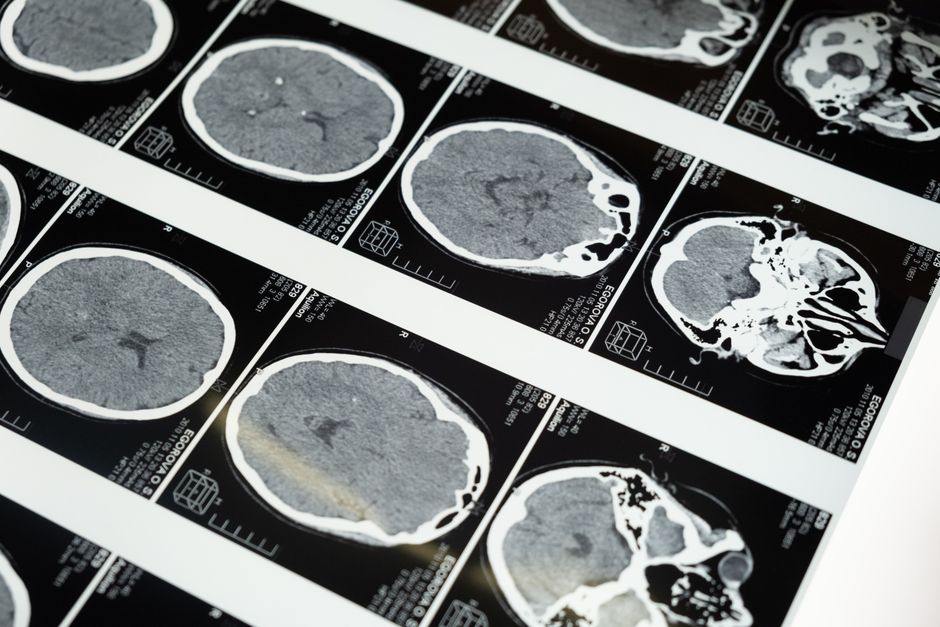
In February 2026, a neuroimaging study published in iScience examined structural brain changes in 30 special operations veterans one month after magnesium-ibogaine treatment. MRI scans at baseline, immediately post-treatment, and one month post-treatment found:
- Cortical thickness increased in 11 brain regions
- Subcortical volumetric expansion in 8 regions
- Predicted brain age reduced by an average of 1.3 years at one month
The regions showing cortical thickening included the left entorhinal cortex, parahippocampal gyrus (bilateral), insular cortex, and inferior frontal gyrus — areas central to memory consolidation, emotional regulation, and executive function. These are also regions that show measurable deterioration from chronic PTSD and sustained substance use.
A reduction in predicted brain age of 1.3 years in one month is a structural finding, not a symptom rating. It suggests ibogaine's effects on the brain extend beyond receptor-level activity during the acute experience into the weeks of elevated GDNF and BDNF that follow. The neuroplasticity window is where the remodelling happens — and the scans now show it happening.
For comparison: conventional antidepressant research considers a 50% reduction in depression scores a strong response. The 2023 Stanford study found 87% at one month. These numbers describe a specific population — people who had already tried other approaches without adequate relief. They are not generalisable to every person who considers ibogaine. They are, however, consistent with the mechanism now visible in the neuroimaging data.
Who This Is Not For
Understanding ibogaine's mechanism also clarifies which pre-existing conditions make it genuinely dangerous rather than merely difficult.
Ibogaine prolongs the cardiac QT interval by blocking hERG potassium channels. In a person with QT prolongation, significant cardiac arrhythmia, or a recent myocardial infarction, this prolongs the interval to a point where ventricular arrhythmia becomes possible. This is the mechanism behind documented ibogaine fatalities. An EKG before ceremony identifies this risk. Any provider who does not require one is not operating safely. This is not a professional preference — it is what the pharmacology demands.
The serotonin transporter inhibition described above explains why SSRIs and SNRIs are absolute contraindications without a supervised washout. The taper must be conducted by the prescribing physician, not independently. Fluoxetine requires a longer washout than sertraline or escitalopram. The washout is complete when the physician confirms it — not when the person stops feeling effects.
Other absolute contraindications: MAOIs, lithium, most antipsychotics, severe liver or kidney disease (ibogaine is metabolised hepatically by CYP2D6 — impaired clearance amplifies accumulation and cardiac risk), active psychosis or schizophrenia spectrum disorder, and pregnancy.
Someone in acute psychiatric crisis is not an appropriate candidate regardless of how much they want access. The experience amplifies what is present. Entering a 12–24 hour experience in a state of destabilisation does not produce stability. We tell people this directly, and sometimes they do not want to hear it.
Is This Right for You?
The mechanism does not make ibogaine appropriate for everyone who is struggling. It makes it appropriate for people who are medically clear, who have not found adequate relief through other approaches, and who are willing to do the deliberate integration work the neuroplasticity window requires.
The FAQ covers each contraindication in detail. The ceremony page explains what medical screening and oversight look like at Transcend in Vancouver. The integration guide explains what the neuroplasticity window requires in the weeks after ceremony.
If your situation looks appropriate after reviewing those, submitting an application is where the conversation begins. We respond personally within 2–3 business days.
If you are not a candidate, we will tell you — directly and without softening it. That is not a barrier. It is what responsible screening looks like.
Sources: Stanford / Nature Medicine (2023) · GDNF mechanism / Journal of Neuroscience (2005) · Cortical thickness and brain age / iScience (2026)
Ibogaine treatment for PTSD available across Canada
Find ibogaine treatment in British Columbia, Alberta, Ontario, and other provinces. Medical screening required. View all locations.