Ibogaine cost in Canada ranges from $2,000–$5,000 CAD for a full ceremony programme. In Mexico, the range is wider: roughly $1,500–$8,000 USD, depending on the facility and what is included. Neither number is arbitrary. The components that drive the higher end of that range are the same components that determine whether the ceremony is medically safe.
In short: Ibogaine cost at Transcend in Vancouver, BC ranges from $2,000–$5,000 CAD. This covers an on-site physician, continuous cardiac monitoring throughout the 12–24 hour ceremony, the medicine, facilitation, and supervised recovery. Providers charging significantly less are typically removing one or more of those components. The one most likely to be removed first is the on-site medical professional — which is the component responsible for managing a risk that the medicine itself does not eliminate.

What Ibogaine Cost Actually Covers
A legitimate ibogaine ceremony costs what it costs because of what it requires. The price is not a mark-up on a modest service. It reflects the actual components involved in delivering ibogaine safely — and removing any of them is not a cost saving, it is a safety reduction.
The primary cost driver is the on-site physician. Ibogaine prolongs the QT interval — the electrical recovery phase of the cardiac cycle — in all participants. Not just high-risk ones. All of them. In a person with pre-existing QT prolongation, significant arrhythmia, or a cardiac condition not identified in screening, this can produce fatal ventricular arrhythmia. A physician on-site — not on call, not reachable by phone — is how that risk is managed in real time.
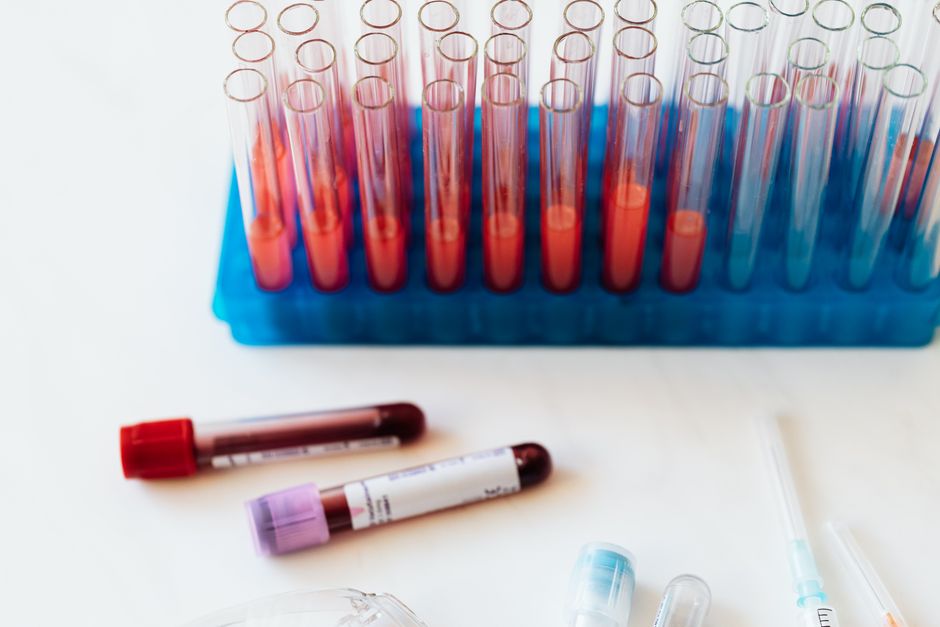
The second component is cardiac monitoring equipment. Continuous 12-lead ECG telemetry runs throughout the 12–24 hour active experience. Blood pressure, heart rate, and oxygen saturation are monitored at regular intervals. IV access is maintained. These are not optional during an experience that affects cardiac electrical activity. They are what makes the experience survivable when something unexpected occurs.
The third is the medicine itself. A flood dose of ibogaine — 15–20 mg/kg of body weight, calculated individually by the attending physician — requires a significant quantity of pharmaceutical-grade material. Providers offering ibogaine at a fraction of the market cost are generally using either less medicine, lower-grade medicine, or skipping the weight-based calculation entirely.
The fourth is facilitation. A trained guide is present continuously throughout the active experience and the recovery period that follows. Iboga produces 12–24 hours of sustained psychological confrontation — autobiographical memory, emotional pattern, unresolved material accumulated over years. A facilitator who knows how to hold that without interfering, and who can recognise when the experience requires medical versus psychological response, is not an optional comfort layer.
Beyond those four, most programmes include food and accommodation for the 2–3 day recovery period, preparatory conversations before ceremony, and support in the immediate days afterward. At Transcend in Vancouver, BC, ceremony costs range from $2,000–$5,000 CAD. What determines where in that range applies to a specific person is discussed during intake.
What Determines Where in the Range You Land
Not every ibogaine ceremony is the same. Individual factors affect both what is appropriate medically and what the total programme cost will be.
People on medications that require supervised tapering — SSRIs, SNRIs, methadone, or specific psychiatric medications — may need additional preparation time and physician consultation before ceremony is possible. That preparation has its own cost. People with complex medical histories may require more extensive pre-ceremony screening. People with more severe presenting conditions — treatment-resistant depression, complex PTSD, opioid dependence — typically require more support before, during, and after the active experience.
The lower end of the range reflects a straightforward ceremony for a straightforward candidate — someone with no complicating medical factors, clear preparation, and a defined presenting issue. The upper end reflects more complex cases that require more infrastructure.
This is discussed transparently during the intake conversation. Every application receives a personal response within 2–3 business days. The conversation is not a sales call — it is an assessment of whether ceremony is appropriate for you specifically, and what it would involve.
Mexico vs Canada: Different Prices, Same Safety Requirements
Ibogaine treatment in Mexico is available at a wider price range — roughly $1,500 to $8,000 USD — partly because operational costs are lower. The safety requirements are identical.
A legitimate provider in Mexico requires the same medical screening as a legitimate provider in Canada: EKG, blood panel, cardiovascular assessment, medication review, psychiatric history. A physician must be on-site. Cardiac monitoring must be continuous. The medicine must be pharmaceutical-grade and appropriately dosed by body weight. These requirements are not determined by country. They are determined by the pharmacology of ibogaine.
Providers in Mexico who offer ibogaine at $1,500 USD or less are generally not maintaining these standards. The operating costs alone — physician fees, monitoring equipment, medicine — make that price point incompatible with what legitimate treatment requires. Detailed pricing comparisons are in the ibogaine treatment cost in Mexico guide.
For North Americans, the question of Mexico versus Canada often gets framed as a cost question. It should be framed as a screening question first: who is the on-site physician? What monitoring is in place during the active experience? What is the emergency protocol? Those answers are more important than the price comparison.
Canada has the additional advantage of not requiring international travel in a vulnerable state. For most Americans in the Pacific Northwest, Vancouver is a 2.5–3 hour drive from the border — and the crossing is simpler than a flight to Mexico, often with more predictable timing and conditions. More on what access from the US looks like is in the ibogaine treatment near me guide.

What Providers Charging Significantly Less Are Cutting
Any ibogaine provider offering ceremony at a price that cannot cover an on-site physician, continuous cardiac monitoring, and pharmaceutical-grade medicine is not providing ibogaine treatment. They are providing ibogaine — without the infrastructure that makes it survivable when something goes wrong.
This is not a pricing opinion. It is a medical one. The documented fatalities from ibogaine follow a consistent pattern: cardiac conditions not identified in advance, cardiac events not managed in real time, or medications not disclosed. Every one of these failures is a failure of infrastructure — not of the medicine.
A person with undetected QT prolongation — subclinical, asymptomatic, completely invisible in daily life — may develop fatal arrhythmia during ibogaine administration. A 12-lead EKG before ceremony identifies this. A physician recognises the finding. In the absence of either, the condition is identified during the ceremony, at which point intervention is far more difficult.
The people most likely to seek low-cost ibogaine are often in the most desperate situations — active addiction, treatment-resistant depression, PTSD that has not responded to conventional care. Providers who offer cut-price access to these individuals without adequate medical infrastructure are not serving them. They are accepting money in exchange for a risk the person cannot fully assess without understanding what has been removed.
For what to look for in a legitimate provider, the guide to ibogaine treatment centres covers the specific questions to ask about medical oversight before committing to any programme. For the specific administration protocol — test dose, flood dose, cardiac monitoring — the post on how ibogaine is administered covers each step in detail.
The 2023 Stanford study published in Nature Medicine — which found 88% reductions in PTSD symptoms, 87% in depression, and 81% in anxiety at one month in 30 special operations veterans — administered ibogaine in a medically supervised clinical setting with continuous cardiac monitoring. Those outcomes do not transfer to unmonitored settings. The monitoring is part of what makes the result possible.
The Cost of Integration — and Why Most People Underbudget for It
Ibogaine ceremony is not the complete programme. It is the opening.
The metabolite noribogaine — the primary active compound after ibogaine is processed by the liver — remains pharmacologically active for weeks to months after a single ceremony dose. During this period, neuroplasticity is elevated: new patterns are more accessible, old ones less entrenched. What happens in that window determines whether the ceremony produces any lasting change.
The pattern practitioners observe consistently: a ceremony that produces clarity and reduced craving, a departure with something that felt like the beginning of a shift, a return to the same environment and relationships and unaddressed conditions that produced the problem in the first place. Six weeks later, the clarity has faded. The old patterns have re-established. The neuroplasticity window closed, largely unused.
Integration coaching exists to occupy that window deliberately. At Transcend, integration sessions run $150–$300 CAD for 60–90 minutes, with packages of three or more available. This is not a bonus service — it is what converts ceremony into lasting change. The integration page explains what sessions involve and when they are scheduled relative to ceremony.
People who budget for ceremony and not for integration are not completing the programme. The total cost of a full ibogaine programme — ceremony plus adequate integration support — is what covers the period during which the medicine continues to do its work.
Who Cannot Come Regardless of What They Are Prepared to Spend
Cost is not the only barrier. Some people are not appropriate candidates for ibogaine ceremony regardless of resources, preparation, or how much they want access.
Not every application results in an accepted participant. Some have cardiac conditions — identified during the EKG required before ceremony — that make ibogaine genuinely dangerous. Some are on medications that cannot be safely tapered in a reasonable timeframe. Some are in states of acute psychiatric instability that require a different kind of support before ceremony is appropriate. The conversation that ends in “this is not the right path for you at this moment” is one of the most important interactions we have. It is not comfortable to deliver. Saying it directly, without softening it, is an act of care — not rejection.
Absolute contraindications:
- QT prolongation, significant cardiac arrhythmia, or recent myocardial infarction
- Current SSRIs or SNRIs without a completed supervised taper — serotonin syndrome risk is real and potentially fatal, and no case is an exception to this rule
- Methadone without a specific transition protocol
- Active psychosis or schizophrenia spectrum disorder
- Severe liver or kidney disease
- Lithium and certain other psychiatric medications
- Pregnancy
Someone in acute psychiatric crisis is also not an appropriate candidate — the medicine amplifies what is present, not what the person hopes to find. Someone primarily seeking an experience, rather than engagement with a specific condition, will generally encounter what the medicine delivers rather than what they came for. These are not predictions. They are consistent patterns from years in this work.
The complete contraindications list — including which conditions require preparation versus which are permanent disqualifiers — is on the contraindications page.
Is This the Right Programme for You?
If you have read this and want to understand whether the ibogaine cost at Transcend reflects what you actually need, the ceremony page explains what each programme includes and what medical oversight is in place throughout.
If you are primarily looking for the cheapest available option, this is not the right programme. The ibogaine cost at Transcend reflects the infrastructure required to deliver it safely. Providers operating below that cost point are not doing it differently — they are doing it without what makes it safe.
If your medical history includes items on the contraindications list — SSRIs, cardiac findings, methadone — say so in the application. The intake conversation is designed to determine whether and how ceremony is possible, not to filter for the simplest cases. Apply through the intake form or reach out directly at jake.nylund@gmail.com. Every application receives a personal response within 2–3 business days.
Sources: Stanford / Nature Medicine (2023) · PubMed — ibogaine cardiac safety research · Health Canada — Controlled Substances Act