Ibogaine treatment in Mexico costs between $4,000 and $12,000 USD for a legitimate programme. The range is not primarily about accommodation quality or programme length. It reflects the depth of medical infrastructure the provider has committed to maintaining — and ibogaine requires specific medical infrastructure because it prolongs the QT interval in every person who takes it, screened or not.
Ibogaine treatment cost in Mexico ranges from $4,000 to $12,000+ USD. A legitimate 7–10 day programme includes pre-ceremony EKG and blood panel screening, an on-site physician present throughout the 12–24 hour ceremony, and continuous cardiac telemetry. Programmes priced below $5,000 USD typically reduce one or more of these components. The average cost for a comprehensively monitored programme is $7,000–$10,000 USD.


What Ibogaine Treatment Costs in Mexico
Most programmes fall into three recognisable tiers. The tiers are not about room size or meal quality. They reflect what kind of medical oversight is running during the 12–24 hours of the ceremony itself.
Budget programmes ($3,500–$6,000 USD): These typically run 3–5 days. Medical screening may be limited. Cardiac monitoring during the ceremony — continuous ECG telemetry — is often absent or intermittent. Group settings are common. Integration support is minimal or nonexistent. Some are run by well-intentioned people. What they share is that the medical infrastructure is not complete.
Mid-tier programmes ($7,000–$12,000 USD): These run 5–7 days. EKG and blood panel screening are included. Nursing supervision during the ceremony is standard. Some integration coaching is provided. This is where most programmes that can reasonably claim to operate safely are clustered.
Comprehensive medical programmes ($12,000–$25,000 USD): These run 7–14 days. Physician-led care. Continuous cardiac telemetry throughout the ceremony. IV magnesium and electrolyte support. Extended aftercare built into the programme. Hospital-grade monitoring standards.
For most people seeking ibogaine treatment in Mexico, the mid-tier range covers what a safe programme requires. Anything below $5,000 USD deserves careful scrutiny of what specifically has been omitted.
What the Price Should Actually Cover
A legitimate programme's cost reflects a specific set of requirements. Not preferences.
Pre-ceremony screening: EKG and cardiovascular assessment, a complete blood panel (liver function, kidney function, CBC), full medication review, and psychiatric history. Some programmes include these in the package price. Others bill them separately — typically $300–$800 in addition. Ask specifically before comparing prices between providers.
Medical oversight during ceremony:An on-site physician present throughout the 12–24 hour active window. A nurse alone is not equivalent. The cardiac events ibogaine can precipitate require physician-level response capability. A programme that describes its medical oversight as “nursing-led” without a physician on-site is describing insufficient oversight.
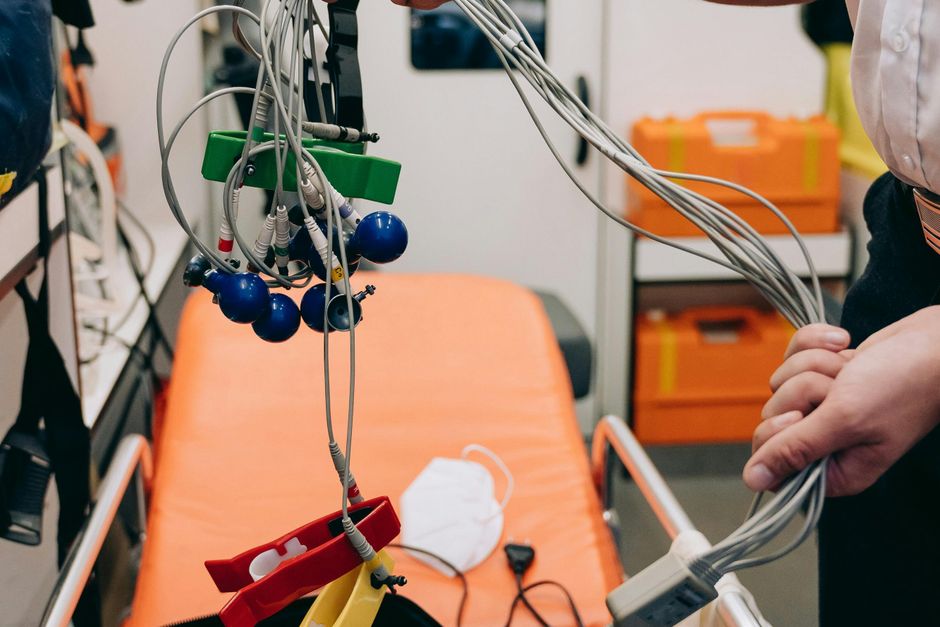
Continuous cardiac monitoring: ECG telemetry running throughout the ceremony. Blood pressure, heart rate, and oxygenation checked at regular intervals. Emergency protocols in place — IV access, emergency medications, defibrillation equipment present and functional.
Recovery period support: Days 1 and 2 after ceremony involve fatigue, ataxia, nausea, and light sensitivity — predictable physiological responses to an experience of this intensity. Staffing during this period matters. Some budget programmes discharge participants before the acute recovery period ends.
Integration: This is where programmes diverge most dramatically. Some include integration coaching in the programme price. Others offer it as an add-on. A significant number provide nothing after discharge beyond a list of referrals. What happens in the weeks after ceremony — during the neuroplasticity window that noribogaine sustains — determines whether the experience produces lasting change. Most Mexico programmes are not equipped to support what the post-treatment period requires once a participant returns home.

What Happens When the Price Is Too Low
Any ibogaine provider charging significantly below market rate is almost always reducing safety infrastructure, not being generous. The cost of an on-site physician, continuous cardiac monitoring equipment, proper screening, and the medicine itself is real. A $3,500 ibogaine programme is not a bargain. It is a provider who has removed something.
Virtually all ibogaine-related fatalities have occurred in unmonitored settings, through self-administration, or at clinics that lacked adequate cardiac screening and monitoring. The 2023 Stanford study published in Nature Medicine — which found 88% reductions in PTSD symptoms and 87% in depression at one month in 30 special operations veterans — administered ibogaine under continuous cardiac monitoring with an on-site medical team. That context is not incidental to the result.
Red flags that should end a conversation with a provider:
- No mandatory EKG before acceptance — this is the non-negotiable cardiac test
- Vague or evasive answers about whether a physician is physically present during ceremony
- Programme duration of fewer than 5 days for a full ibogaine dose
- Price below $5,000 USD for a complete programme
- No clear answer about what monitoring equipment is present and running during the ceremony
- Pressure to book quickly or claims of spots that are permanently closing
Medical Screening — What Is Required at Any Legitimate Provider
The specific tests required before ibogaine ceremony — regardless of whether treatment is in Mexico, Canada, or anywhere else:
- 12-lead EKG: Evaluates QTc interval and cardiac rhythm. QT prolongation and significant arrhythmia are absolute contraindications. The test must be current — completed within 30–60 days before ceremony.
- Complete blood panel: Liver function (ALT, AST, bilirubin), kidney function (creatinine, GFR), and CBC. Ibogaine is metabolised hepatically — severe liver disease impairs clearance and amplifies adverse effects to dangerous levels.
- Full medication review: SSRIs and SNRIs require a supervised taper before ceremony. Not a preference — the risk of serotonin syndrome is real and potentially fatal. Methadone requires a specific transition protocol. Lithium and MAOIs are absolute contraindications.
- Psychiatric history: Active psychosis and schizophrenia spectrum disorders are absolute contraindications. A history of a single psychotic episode in someone long stable requires careful evaluation — not an automatic no, but not a simple yes.
Any Mexico provider who does not require all of these before accepting an application is not operating at a safe standard. This applies regardless of price, location, or testimonials. The ibogaine research compiled by MAPS documents the conditions under which adverse events occur: they are not random. They are predictable when screening is skipped or abbreviated.
Mexico vs Canada — Two Legal Options, Different Contexts
In the United States, ibogaine is a Schedule I controlled substance. Treatment is illegal outside of approved clinical research settings. This is why Americans cross international borders to access it.
Mexico is the most common destination. Ibogaine operates in an unscheduled grey zone — not classified as a controlled substance — which is why the clinic industry has developed there. Many Mexican providers are professionally run. The challenge is that the market is unregulated, and the range in quality is wide.
Canada is the less-discussed option. Ibogaine is not listed under Canada's Controlled Drugs and Substances Act — it is not prohibited in the way it is in the United States or the United Kingdom. Treatment in Canada is legal. At Transcend in Vancouver, BC, iboga ceremony costs $2,000–$5,000 CAD — approximately $1,500–$3,700 USD at current exchange rates. That is below what most mid-tier Mexican programmes charge for equivalent medical oversight.
For US residents comparing options, the practical considerations extend beyond cost.
Post-treatment integration is the most significant practical difference between travelling internationally and receiving treatment closer to home. When you return from Mexico, you are returning to your existing environment without an established relationship with your treatment team. The neuroplasticity window that noribogaine sustains for weeks to months after ceremony does not care about geography. But accessing structured support during it is harder when the provider is in another country and the follow-up is a WhatsApp message.
The pattern is consistent: the ceremony produced clarity. The craving reduced significantly. The person flew home two days later — to the same apartment, the same social context, the same unaddressed conditions that had produced the problem in the first place. Six weeks later, they were back where they started. The window closed without being used. This is not a failure of the medicine. It is what happens without deliberate integration support in place.
For Americans in the Pacific Northwest, Vancouver is not a foreign destination in any meaningful practical sense — it is closer than many US cities. For those in the Southeast or Southwest, Mexico is more proximate. Proximity matters less than what the provider can offer in the weeks after the ceremony ends.
The cost comparison guide covers pricing across countries in more detail. The guide to choosing a safe iboga retreat covers the questions to ask any provider before booking.

Who This Is Not For
Absolute medical contraindications — these apply regardless of provider, location, or price:
- QT prolongation, significant cardiac arrhythmia, or recent myocardial infarction
- Severe liver or kidney disease
- Active psychosis or schizophrenia spectrum disorder
- Current SSRIs or SNRIs without a completed supervised taper
- Methadone without a supervised transition protocol
- Lithium and most antipsychotics
- Pregnancy
Beyond the medical list:
Someone in acute psychiatric crisis is not an appropriate candidate — regardless of how urgent the situation feels or how much they want access. The experience amplifies what is present at ceremony. Entering in a state of acute instability does not produce stability.
Someone primarily seeking a mystical experience or a shortcut to insight will be disappointed. Ibogaine does not deliver what people hope for — it delivers what they need, which is often the same thing, and often not. The people who arrive with expectations the medicine cannot serve leave destabilised rather than changed.
Someone who has not considered the integration period seriously — who plans to return immediately to the same environment and relationships without deliberate support in place — is not prepared for this work. The full contraindications guide covers each category in detail. If you are not an appropriate candidate, any legitimate provider will tell you directly and without softening it. We would rather lose a potential participant than send someone into a ceremony they are not equipped to hold.
Is This Right for You?
If the screening criteria above do not disqualify you, and if you are prepared to approach the recovery and integration period with the same seriousness as the ceremony itself, the next step is understanding the full process.
The FAQ covers common screening questions. The ceremony page describes the specific protocol at Transcend in Vancouver. The application begins the intake conversation — a personal response arrives within 2–3 business days. The integration page covers what the weeks after ceremony require. Integration coaching at Transcend runs $150–$300 CAD per session (60–90 minutes), with packages of three or more sessions available.
The cost of ibogaine treatment in Mexico is not the most important question to answer before committing. What the price covers — and what the programme is prepared to provide in the weeks after you return home — is.
Sources: Stanford ibogaine study — veterans with PTSD / Nature Medicine (2023) · MAPS ibogaine research compilation / maps.org · Ibogaine and GDNF in the ventral tegmental area / Journal of Neuroscience (2005)