Psychedelic plants are not a single category of medicine. Iboga works through opioid receptors and a GDNF-driven neuroplastic process. Ayahuasca works through MAO inhibition and DMT. Psilocybin works through serotonin 2A receptors. 5-MeO-DMT — technically from a toad — works through serotonin 1A receptors. These are distinct pharmacologies with distinct clinical applications. Which psychedelic plant is appropriate depends on the condition, the person's medical situation, and what they have already tried.
Psychedelic plants are plant species — and in the case of 5-MeO-DMT, a toad — that produce naturally occurring compounds capable of altering consciousness, perception, and emotional processing. The major examples in current clinical research are: iboga (containing ibogaine), ayahuasca preparations (containing DMT and harmine), Psilocybe mushrooms (containing psilocybin), and Incilius alvarius, the Sonoran Desert toad (containing 5-MeO-DMT).


What Are Psychedelic Plants?
The term covers plant species — and, in the case of 5-MeO-DMT, a toad — that produce compounds capable of non-ordinary states of consciousness. These states are not incidental. They are the mechanism. The interruption of ordinary cognitive processing is what allows these medicines to reach conditions that conventional treatment has not.
Not all psychedelic plants work the same way. They are not different intensities of the same experience. Iboga and psilocybin act through entirely different receptor systems, produce experiences of entirely different duration and character, and are supported by evidence for different conditions.
The major psychedelic plants with documented clinical research:
- Tabernanthe iboga — a Central African rainforest shrub whose root bark contains the alkaloid ibogaine. Used in Bwiti initiation ceremonies for centuries. Active experience: 12–24 hours.
- Banisteriopsis caapi and Psychotria viridis — the vine and leaf combination brewed as ayahuasca. The caapi contains harmala alkaloids (MAOIs) that allow the DMT in the Psychotria to reach the brain orally. Active experience: 4–6 hours.
- Psilocybe mushrooms — containing psilocybin, a prodrug that converts to psilocin in the body. Acts on serotonin 2A receptors. Active experience: 4–6 hours.
- Lophophora williamsii (peyote) and Trichocereus pachanoi (San Pedro) — cacti containing mescaline. Active experience: 10–12 hours.
- Incilius alvarius, the Sonoran Desert toad — not a plant, but grouped here by function. Venom contains 5-MeO-DMT at 15–25% concentration. Active experience: 20–45 minutes.
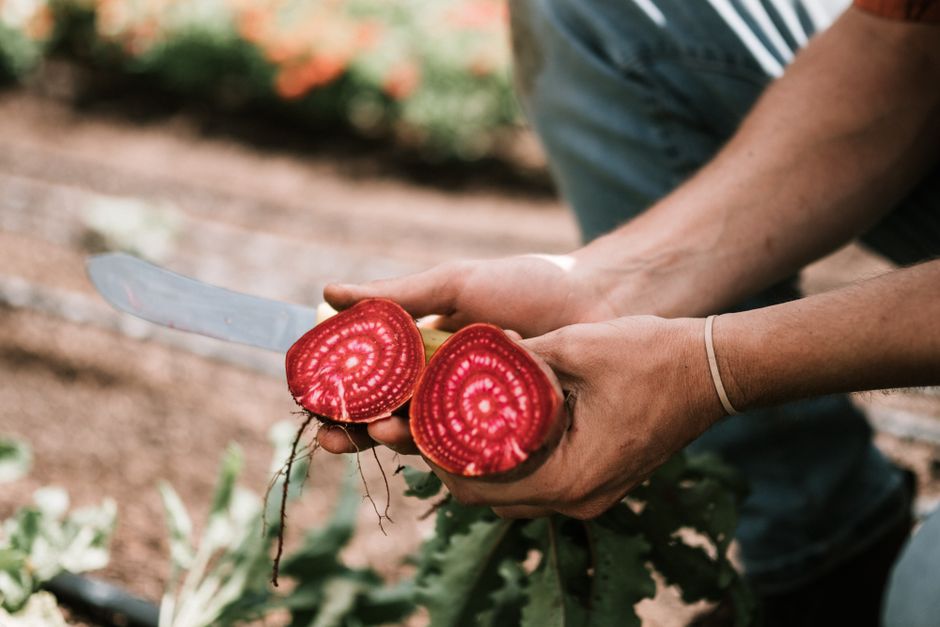
Iboga — The Root at the Centre of This Work
Tabernanthe iboga is native to the Gabon basin and neighbouring regions of Central Africa. The Bwiti people have used it in initiation ceremonies for centuries. The experience is not described as pleasant — it is described as confrontational, direct, and unlike anything else in the pharmacological landscape.
Ibogaine acts simultaneously on four receptor systems: kappa and mu-opioid receptors, NMDA glutamate receptors, sigma-2 receptors, and the serotonin transporter. This multi-receptor action produces effects distinct from all other psychedelic plants. The most documented is its interruption of opioid withdrawal. A process that normally takes five to ten days of severe physical suffering stops within 6–24 hours of ibogaine administration.
Ibogaine also upregulates GDNF — glial cell line-derived neurotrophic factor — in the ventral tegmental area. A 2005 study in the Journal of Neuroscience confirmed this pathway directly: infusing GDNF into the VTA reproduced ibogaine's anti-addiction effect, and neutralising GDNF with antibodies eliminated it. GDNF supports dopamine neuron survival depleted by chronic addiction. Ibogaine's active metabolite, noribogaine, sustains this GDNF elevation for weeks to months after ceremony — a period of elevated brain adaptability during which new patterns are more accessible.
The 2023 Stanford study published in Nature Medicine administered ibogaine to 30 special operations veterans with treatment-resistant PTSD, traumatic brain injury, and depression. At one month post-treatment: PTSD symptoms had reduced by 88%, depression by 87%, anxiety by 81%. Conventional antidepressant research considers a 50% reduction in depression scores a strong response.
Special operations veterans are not, as a population, naive about what treatment can and cannot do. Many had tried conventional programmes. Many were sceptical. The Stanford numbers are striking not only for their size but for the population they describe: people for whom the available options had not worked.
At Transcend in Vancouver, iboga ceremony is conducted within the Bwiti tradition, with a medical professional on-site throughout the 12–24 hour experience. The ceremony page covers what medical screening and oversight involve. Cost ranges from $2,000–$5,000 CAD.

5-MeO-DMT and the Sonoran Desert Toad
Incilius alvarius, the Sonoran Desert toad, produces venom containing 5-MeO-DMT at 15–25% concentration by dry weight. When dried and vaporised, it produces acute ego dissolution — a loss of the boundary between self and world — lasting 20–45 minutes.
5-MeO-DMT is not a gentler version of ibogaine. The shorter duration does not mean easier. The intensity of ego dissolution in 20–45 minutes produces its own demands. The absence of narrative content — iboga tends to show people structured visions and memories; 5-MeO-DMT produces dissolution without story — makes integration harder, not simpler. People who expect a gentle introduction because of the duration tend to find something else.
5-MeO-DMT acts primarily on 5-HT1A serotonin receptors, distinguishing it pharmacologically from classic psychedelics like psilocybin, which acts mainly on 5-HT2A. The clinical evidence is smaller than for ibogaine or psilocybin but growing. A 2023 randomised controlled trial (Reckweg et al.) found significant reductions in depressive symptoms at 24 hours post-administration, maintained at one week, in treatment-resistant depression.
At Transcend, 5-MeO-DMT ceremonies in Vancouver cost $600–$1,500 CAD and include full facilitation throughout the 20–45 minute active experience and the 2–3 day recovery period.
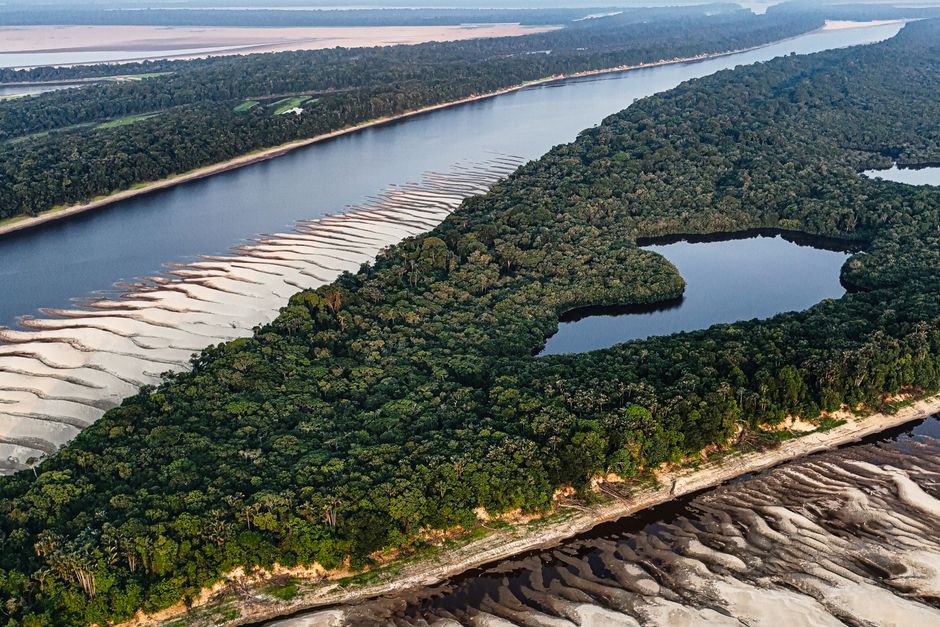
Ayahuasca, Psilocybin, and Mescaline
Ayahuasca combines two plants: Banisteriopsis caapi (containing harmine and harmaline, which are MAO inhibitors) and Psychotria viridis (containing DMT). The MAOIs in the caapi vine prevent DMT from being metabolised in the gut, allowing it to reach the brain. The result is a 4–6 hour experience with significant visual content and emotional processing.
The MAOI content creates the most significant interaction risk of any plant medicine in common use. Combining ayahuasca with serotonergic antidepressants carries real danger. Combining it with iboga or 5-MeO-DMT within two to four weeks has caused deaths — ayahuasca's MAOIs dramatically amplify 5-MeO-DMT potency and duration. Any provider who does not enforce this gap is not operating safely.
Psilocybin — from Psilocybe mushrooms — acts on serotonin 2A receptors and disrupts the default mode network, the brain's self-referential processing loop associated with repetitive negative thinking. Experience duration is 4–6 hours. The clinical research for treatment-resistant depression is the most developed of any psychedelic currently in trials, with Phase 2 and Phase 3 studies completed or underway.
Mescaline, from peyote and San Pedro, has a long history of ceremonial use in indigenous North and South American traditions. The active experience runs 10–12 hours with significant body load. Contemporary clinical research is limited compared to psilocybin or ibogaine.
These three are not interchangeable with iboga or 5-MeO-DMT. They address different conditions through different mechanisms. Ayahuasca is not an alternative to ibogaine for opioid dependence. Psilocybin is not a substitute for 5-MeO-DMT. The choice between medicines is a clinical determination — not a matter of preference.
How These Medicines Are Used Clinically
Integration support is not a bonus service added to ceremony. It determines whether the ceremony produces lasting change. Any provider who presents the medicine as the end of the work is not accurately describing what this process requires.
What each medicine is best supported for, based on current evidence:
- Iboga/ibogaine:Opioid dependence (strongest evidence base), treatment-resistant depression and PTSD. The Stanford study's 88% PTSD reduction and 87% depression reduction at one month represent the landmark data.
- 5-MeO-DMT: Treatment-resistant depression (emerging controlled evidence), trauma. The 2023 Reckweg et al. trial is the most robust data point currently available.
- Psilocybin: Treatment-resistant depression (strongest clinical trial evidence of the group), end-of-life anxiety, smoking cessation.
- Ayahuasca: Depression and trauma (observational evidence, most complex interaction profile due to MAOI content).
- Mescaline: Limited contemporary clinical evidence.
Ibogaine is not a first resort. The people who arrive at iboga ceremony with the strongest outcomes are often those who spent years trying everything else first — SSRIs that blunted rather than resolved, therapy that circled without landing, abstinence-based programmes that held for months and then didn't. By the time they arrive, they have evidence that conventional approaches are not adequate. That scepticism tends to produce people who are genuinely ready to encounter what the medicine shows them.

Who Should Not Use Psychedelic Plants
This varies by medicine. The following apply to iboga and ibogaine specifically.
Absolute contraindications:
- QT prolongation, significant cardiac arrhythmia, or recent myocardial infarction. Ibogaine prolongs the QT interval. This is the specific mechanism of documented fatalities. An EKG is required before every ceremony — not as a formality, as the test that identifies this risk before the 12–24 hour active experience begins. Any provider who skips this step is not operating safely.
- Current SSRIs or SNRIs without a completed supervised taper. The risk of serotonin syndrome is real and potentially fatal. A supervised taper by the prescribing physician is required before ceremony is possible. This is a conditional contraindication — not a permanent one — but the taper must be completed and confirmed.
- MAOIs. Absolute contraindication. No exceptions and no safe protocol.
- Lithium or most antipsychotics.
- Severe liver or kidney disease. Ibogaine is metabolised hepatically. Impaired clearance amplifies both effects and cardiac risk. A full blood panel is required before ceremony for all candidates.
- Active psychosis or schizophrenia spectrum disorder.
- Pregnancy.
- Methadone without a supervised transition protocol. Methadone carries its own QT-prolonging effects and requires a specific, physician-managed transition before ibogaine ceremony is possible.
For all plant medicines:
- Someone in acute psychiatric crisis is not an appropriate candidate, regardless of how much they want access. The experience amplifies what is present. Entering a psychedelic experience in a state of acute destabilisation does not produce stability.
- Someone primarily seeking a spiritual experience or a shortcut to insight is not an appropriate candidate. The medicines do not accommodate that intention reliably. Iboga tends to show people what they have been avoiding — not what they hoped to find.
- Combining ayahuasca with iboga or 5-MeO-DMT within two to four weeks is dangerous due to ayahuasca's MAOI content.
If you are not an appropriate candidate, we will say so directly and without softening it. We would rather lose a potential participant than put someone at risk.
Is This Right for You?
Whether psychedelic plant medicine is appropriate depends on what you have already tried, your medical situation, and which specific medicine is relevant to your condition.
The FAQ covers screening requirements in detail. The ceremony page explains what medical oversight at Transcend in Vancouver involves. The integration guide explains what is required in the weeks following ceremony to make use of the neuroplasticity window that follows iboga.
Transcend works with iboga and 5-MeO-DMT. Both require the same pre-ceremony medical screening process, including EKG and full blood panel. If you are considering other medicines, those require providers and contexts specific to each.
If your situation looks appropriate after reviewing those pages, submitting an application begins the conversation. We respond personally within 2–3 business days.