An ibogaine treatment centre provides two things most people cannot access anywhere else: a medically supervised ceremonial experience lasting 12–24 hours, and the structured support to integrate what that experience produces. What it does not provide is a guarantee. The outcome depends on what happens in the weeks after the ceremony — which is why understanding the full process, not only the ceremony itself, matters before you decide.
An ibogaine treatment centre is a facility that administers ibogaine — a naturally occurring alkaloid from the Tabernanthe iboga plant — under continuous medical supervision. Required screening includes cardiac assessment, EKG, blood panel, and medication review. The active experience runs 12–24 hours. A 2–3 day recovery period follows, then an integration phase that determines whether any lasting change results.

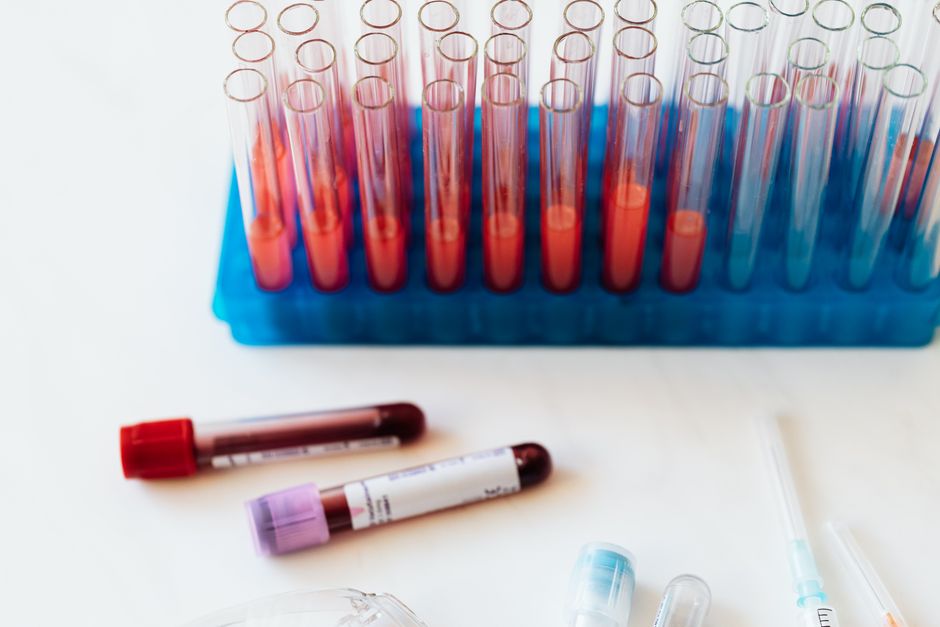
What Medical Screening at an Ibogaine Treatment Centre Involves
Medical screening is not optional at a legitimate ibogaine treatment centre. It happens before you arrive, and it determines whether the ceremony is safe for you specifically.
Required screening includes:
- Full medical history review
- EKG and cardiovascular assessment
- Blood panel (liver function, kidney function, CBC)
- Review of all current medications
- Psychiatric history assessment
The cardiac component is non-negotiable. Ibogaine prolongs the QT interval — the electrical recovery phase between heartbeats. QT prolongation, significant arrhythmia, or recent myocardial infarction are absolute contraindications. An EKG identifies these conditions before ceremony. Any provider who skips this step is not cutting administrative overhead. They are creating a condition in which a ceremony can become a fatality.
The medication review exists for a different reason. SSRIs and SNRIs require a supervised taper before ceremony — not as a preference, but because the risk of serotonin syndrome is real and potentially fatal. Lithium, methadone, and certain other medications each carry their own specific requirements. If you are currently on any of these, the first conversation with a legitimate centre will be about timing, tapering, and whether a safe path to ceremony exists for you at this moment.
The psychiatric history component screens for active psychosis and schizophrenia spectrum disorders — both absolute contraindications. Ibogaine amplifies what is present. Someone in acute psychiatric instability does not find stability through ibogaine. They find the amplification of it.
Not every application results in an accepted participant. Some have cardiac conditions that make ibogaine genuinely dangerous. Some are on medications that cannot be safely tapered within a reasonable timeframe. Some are in states of acute psychiatric instability that require a different kind of support first. The conversation that ends in “this is not the right path for you at this moment” is one of the most important things a treatment centre does. Saying it clearly, without cushioning, is an act of care — not rejection.
At Transcend in Vancouver, every application receives a personal response within 2–3 business days. The screening conversation is not a formality. It is the most important interaction before any ceremony.

The Intake Period — Before the Ceremony Begins
Most ibogaine treatment centres structure an intake period of 12–24 hours before ceremony itself. This is the period in which any outstanding assessments are completed, the participant's current state is evaluated, and the environment for ceremony is established.
At this stage: final vital signs are confirmed, contraindicated medications are verified absent from the system, dietary fasting begins for the appropriate period before dosing, and orientation to the next 24 hours is provided. Participants on specific tapering protocols will have had those confirmed complete by a physician before arriving.
The intake period produces significant anxiety in people who have been anticipating ceremony for weeks or months. This is predictable and does not require intervention. It is useful information about what is present. A competent facilitation team will hold that without rushing past it.

What the 12–24 Hours of Ceremony Actually Look Like
The ibogaine experience unfolds across three recognisable phases.
The acute phase begins approximately 1–3 hours after dosing and lasts 4–8 hours. This is the most confrontational period. Iboga does not produce the kind of visual content most people expect from psychedelic experiences. It tends to produce a sustained encounter with autobiographical memory and emotional pattern — specifically the pattern of what a person has been avoiding. It is not pleasant in the way that word is typically used. It is confrontational in the way that direct truth-telling is confrontational.
The plateau phase follows. The most acute visionary content tends to subside, but mental activity remains intense. Fatigue is significant. Most people cannot sleep for 24–36 hours after dosing. Physical discomfort — nausea, ataxia, sensitivity to light and sound — is common throughout both phases. These are normal responses to the medicine. They are not signs that something has gone wrong.
The resolution phase arrives toward the end of the 12–24 hour window. Mental clarity increases. The acute fatigue begins to lift, though sleep is typically still not possible for several more hours. People often report an unusual combination of exhaustion and lucidity — the noise of craving, rumination, and avoidant thought temporarily reduced in a way that feels unfamiliar.
The medicine does not accommodate avoidance. People who come expecting a pleasant or expansive altered state are consistently surprised by how direct the experience is. The people who leave with the strongest results tend to be those who arrived having already exhausted other approaches — who had earned evidence that the conventional options were not enough, and were therefore not holding on to expectations the medicine would need to demolish.
For more on the three-phase structure and full timeline, the guide to how long ibogaine lasts covers this in detail.

Medical Monitoring During the Experience
A medical professional must be present throughout the active window of an ibogaine ceremony. This is not an add-on service. It is the minimum standard.
Continuous cardiac monitoring — ECG telemetry — runs throughout the 12–24 hour experience. Blood pressure, heart rate, and oxygenation are monitored at regular intervals. The medical professional on-site has emergency protocols in place: IV access, emergency medications, and defibrillation equipment are present.
This is not theatre. Ibogaine prolongs the QT interval in all cases — even in screened candidates. The monitoring exists because the risk is real and because the response to a cardiac event is time-sensitive. Providers who do not maintain this standard during ceremony are not providing ibogaine treatment in any meaningful sense. They are providing ibogaine without the infrastructure that makes it survivable if something goes wrong.
The 2023 Stanford study published in Nature Medicine — which found 88% reductions in PTSD symptoms and 87% in depression at one month in 30 special operations veterans — administered ibogaine in a medically supervised clinical setting with continuous cardiac monitoring. The outcomes do not transfer to unmonitored settings. The monitoring is part of what makes the result possible.
This is also the reason cost matters. The $2,000–$5,000 CAD cost of ceremony at Transcend reflects what this infrastructure actually costs: the on-site medical professional, the cardiac monitoring equipment, the medicine, and the facilitation. Providers charging significantly less are not being generous — they are absent the infrastructure that makes this work safe.
The Recovery Period
Days 2 and 3 after the ceremony are the recovery period. Most people cannot sleep the first night. By the second night, sleep is typically possible — disrupted, but possible.
Noribogaine — ibogaine's primary active metabolite — remains pharmacologically active in the body for weeks to months after ceremony. It is responsible for the extended effects that practitioners observe: reduced craving, improved mood, and a quality of neuroplasticity that makes new patterns more accessible than usual during this period. The window that integration work is designed to use.
The recovery period is not comfortable. Ataxia — difficulty with balance and coordination — persists for 1–2 days. Light and sound sensitivity continues. Appetite is suppressed. These are predictable physiological responses to an experience of this intensity. They do not require intervention and they resolve.
What many people notice in the first days after ceremony: the ordinary noise of craving, rumination, and avoidant thought is reduced. This is not the same as resolution. It is a window during which resolution becomes more possible than usual. That distinction matters enormously for what comes next.

What Integration Involves — and Why It Determines the Outcome
The ceremony opens a window. Integration is the work done while it is open.
The research and clinical observation are consistent on this: ibogaine ceremony followed by a return to the same environment, relationships, and unaddressed conditions that produced the problem in the first place produces relapse. Not in every case. Reliably enough that anyone serious about lasting change needs to understand it before sitting with the medicine.
The ceremony is not the treatment. The window that follows is the treatment. Integration is how that window is used.
The people who leave ceremony with something lasting tend to be those who planned deliberately for the weeks after. They made concrete changes to environment and relationships where those were untenable. They had structured support in place — regular check-ins, coaching sessions, a method for processing what the medicine showed them rather than returning unchanged to an unchanged situation.
The people who did not have integration support in place often find themselves back where they started within six weeks. The contrast between what was possible and what they returned to is sometimes sharper than before. The window closed without being used. This is not a failure of the ceremony. It is a failure of the plan around it.
Transcend offers integration coaching at $150–$300 CAD per session (60–90 minutes), with packages of three or more sessions available. The integration guide covers what this process looks like in practice.
Who This Is Not For
This is the section most providers handle poorly. Here it is directly.
Absolute medical contraindications:
- QT prolongation, significant cardiac arrhythmia, or recent myocardial infarction
- Severe liver or kidney disease
- Active psychosis or schizophrenia spectrum disorder
- Current SSRIs or SNRIs without a completed supervised taper
- Methadone without a supervised transition protocol
- Lithium and certain other psychiatric medications
- Pregnancy
Beyond the medical contraindications:
Someone in acute psychiatric crisis is not an appropriate candidate for ceremony — regardless of how much they want it. The experience amplifies what is present at ceremony. Entering it in a state of acute instability does not produce stability.
Someone primarily seeking a mystical experience or shortcut to insight will find iboga is the wrong medicine for that purpose. It tends to show people what they have been avoiding — not what they came to find. The person who arrives with expectations the medicine cannot serve is the person who leaves disappointed or destabilised. The full contraindications guide covers each category in detail.
If you are not an appropriate candidate, we will tell you directly and without softening it. We would rather lose a potential participant than mislead one.
Is This Right for You?
If the process described here sounds like something you are equipped to undertake — if you are not in the contraindicated categories, if you are willing to approach the recovery and integration period with the same seriousness as the ceremony itself — the most useful next step is to apply.
Applications to Transcend receive a personal response within 2–3 business days. The intake conversation is the beginning of proper screening. It is not a commitment to ceremony.
The FAQ covers screening requirements in detail. The ceremony page describes the specific protocol at Transcend in Vancouver. The application begins the process. The integration page covers what the work after ceremony looks like. The blog has comparisons with ketamine, psilocybin, ayahuasca, and other treatments for the same conditions.
An ibogaine treatment centre is not a retreat in any conventional sense. The ceremony is 12–24 hours of direct confrontation with what the medicine produces. The recovery is 2–3 days. The integration is weeks. Understanding that before you arrive is not incidental to the decision — it is the decision.
Sources: Stanford ibogaine and veterans study / Nature Medicine (2023) · Ibogaine and GDNF in the VTA / Journal of Neuroscience (2005) · Ibogaine treatment centres — verified programmes / Healing Maps