Iboga ceremonies use the whole root bark of Tabernanthe iboga — a plant used in the Bwiti tradition of Gabon and Cameroon for centuries — rather than the isolated ibogaine alkaloid. The active pharmacological experience lasts 12–24 hours. The medical screening requirements are identical to those for ibogaine ceremony, and the cardiac risks are the same.
Most people who contact us about iboga ceremonies are seeking something beyond addiction treatment or PTSD resolution. They want the initiatory dimension of the Bwiti tradition — the confrontation with their history, the restructuring of their relationship to themselves, the kind of encounter that clinical language does not quite reach. That intention is legitimate. It does not waive the contraindications.
Iboga ceremonies use whole Tabernanthe iboga root bark administered over 12–24 hours, rooted in the Bwiti tradition of Central Africa. At Transcend in Vancouver, BC, the cost is $2,000–$5,000 CAD and includes an on-site physician, continuous cardiac ECG monitoring, and 2–3 days of supervised recovery. Absolute contraindications include QT prolongation, current SSRIs or SNRIs, lithium, methadone, severe liver or kidney disease, active psychosis, and pregnancy. Iboga ceremony is not a spiritual vacation — it shows people what they have been avoiding, not what they were hoping to find.
What iboga is — and how it differs from ibogaine
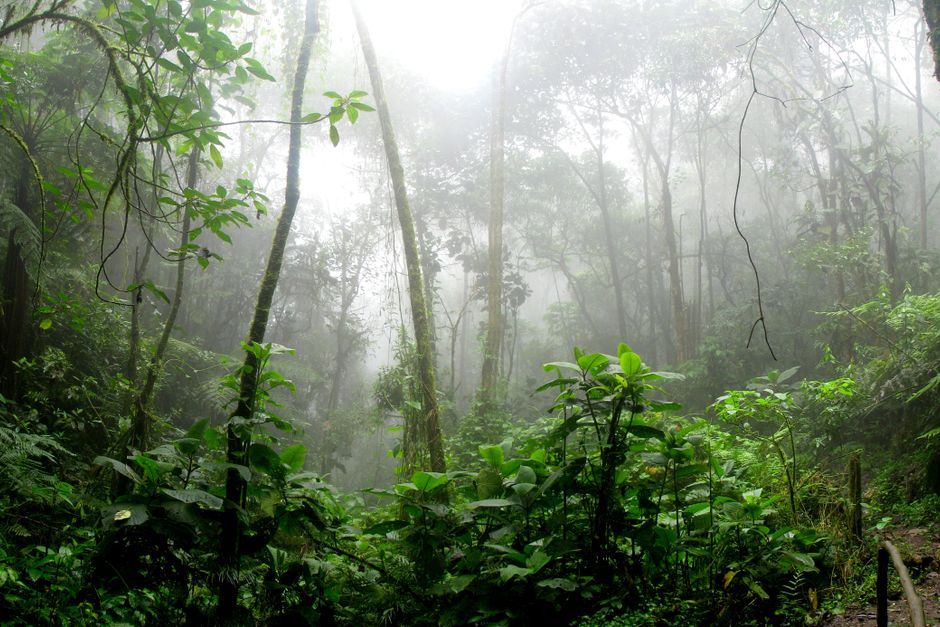
Iboga is the whole root bark of Tabernanthe iboga, a shrub native to the rainforests of Gabon and Cameroon. It contains more than a dozen alkaloids, of which ibogaine is the primary psychoactive compound. Ibogaine HCl — the isolated alkaloid used in clinical and most therapeutic contexts — is a refinement of the whole plant.
The distinction matters pharmacologically. Whole root bark includes ibogamine, tabernanthine, and other alkaloids alongside ibogaine. These alkaloids interact, and the character of the whole-plant experience differs from the isolated alkaloid — it tends to be more gradual in onset, with a slightly different subjective quality that practitioners who have worked with both describe as more anchored to the traditional context. The cardiac risk profile is essentially the same: ibogaine, however it arrives, prolongs the QT interval, and that requires the same pre-ceremony EKG and on-site physician regardless of preparation type.
If you are trying to decide between an ibogaine ceremony and an iboga ceremony, the question is less about safety differences and more about what framework resonates. The pharmacological core is the same. The ritual container is different.
The Bwiti tradition
Bwiti is a spiritual tradition practiced primarily by the Fang, Mitsogo, and Apindji peoples of Gabon and Cameroon. It is not primarily a healing tradition in the modern therapeutic sense — it is an initiatory one. Iboga is used to facilitate the encounter with one's ancestors, with the structure of one's life, and with what has been avoided or suppressed. Healing is not the frame. Confrontation is.
The ceremonial structure in traditional Bwiti includes music played on the ngombi (a harp-like instrument), singing, and facilitation by trained initiates who have completed their own initiation process over years. The ceremony may run continuously through a night and into the following day, with the facilitators present throughout, responding to what arises in the participant.
At Transcend, our ceremonies are rooted in the Bwiti tradition. This means the facilitation framework derives from what Bwiti practitioners have developed over centuries — not from a clinical model adapted to include iboga. We hold this with appropriate humility: we are facilitators working in the tradition, not Gabonese initiates, and we are transparent about that distinction.

What happens during an iboga ceremony
The root bark is ingested orally. Onset typically takes 1–2 hours. The active experience runs 12–24 hours and moves through recognisable phases: an early period of heightened auditory sensitivity and the beginning of visionary content; a middle phase of intense autobiographical review — specific memories, specific relationships, specific patterns — that the medicine tends to display with uncomfortable precision; and a later integration phase in which the content begins to settle.
The autobiographical review is one of the most consistent reports from iboga ceremony participants. The medicine tends to surface what people have actively avoided, not what they were seeking. Memories arrive not as comfortable insights but as direct re-encounters. This is not comfortable, and providers who frame it as comfortable are either misleading people or have never sat in the room.
Physically, iboga ceremony is demanding. The 12–24 hour duration involves little to no sleep, significant visual phenomena that make movement disorienting, and, for many participants, nausea during the first hours. An on-site physician monitors throughout — not as a formality but because cardiac events during iboga ceremony, while rare in properly screened participants, require immediate clinical response if they occur.
Recovery takes 2–3 days. Most participants at Transcend spend 4–5 days on-site in total: one day of preparation, the ceremony, and 2–3 days of supervised rest and initial integration before returning home.
What the evidence shows
The 2023 Stanford study published in Nature Medicine used ibogaine HCl (the isolated alkaloid) rather than whole root bark, in a population of 30 special operations veterans with PTSD, traumatic brain injury, and treatment-resistant depression. At one month post-treatment, the results showed an 88% reduction in PTSD symptoms, an 87% reduction in depression symptoms, and an 81% reduction in anxiety symptoms.
Conventional antidepressant research considers a 50% reduction in depression scores a strong response. The Stanford numbers are striking even accounting for the study's genuine limitations — 30 participants, no placebo arm, a self-selected population.
The population in that study is worth describing directly. Special operations veterans are not, as a group, people who enter treatments naively. They have typically already tried SSRIs, therapy, and abstinence programmes. Many were sceptical that anything was going to produce the results the study documented. That scepticism — earned through years of unsuccessful treatment — is consistent with what practitioners who work with iboga ceremony observe outside of clinical trials: the people with the most rigorous evidence that other approaches are insufficient tend to respond most clearly.
The mechanism underlying these results involves GDNF (glial cell line-derived neurotrophic factor) upregulation, NMDA receptor antagonism, and opioid receptor binding. Ibogaine's primary metabolite, noribogaine, remains biologically active for weeks to months after a single flood dose, sustaining a period of elevated neuroplasticity during which new patterns are more possible than usual. This is why the integration period following ceremony is the primary determinant of whether the effects persist.
For the full research picture, the original Stanford study in Nature Medicine and the subsequent ongoing clinical trials database at ClinicalTrials.gov are the authoritative sources.
Who iboga ceremonies may help
Iboga ceremonies are most clearly indicated for people with treatment-resistant conditions — PTSD, major depression, opioid use disorder, alcohol use disorder — who have evidence that conventional approaches are not producing lasting change. They are also sought by people without a clinical diagnosis who want to engage with what the Bwiti tradition offers: a structured encounter with the material they have been carrying, conducted in a context developed specifically for that purpose.
The conditions where the evidence base is clearest are opioid use disorder and treatment-resistant PTSD. The mechanism that interrupts opioid craving — GDNF upregulation, receptor normalisation — is well-documented. The trauma-processing effects are consistent in practitioner observation and, now, increasingly in controlled research.
People who benefit most tend to share a common feature: they are not expecting the medicine to do the work for them. They understand that the ceremony opens a window. What is done during that window determines the outcome. If this distinction is unclear, read our guide to integration after plant medicine before applying.
Who cannot proceed — absolute contraindications
Iboga ceremony is not appropriate for everyone who wants it, regardless of motivation or readiness. The following are absolute contraindications — not conditions to weigh against potential benefit, but conditions under which ceremony cannot be safely administered:
- QT prolongation or significant cardiac arrhythmia on pre-ceremony EKG
- Current SSRIs or SNRIs without a completed physician-supervised taper (serotonin syndrome risk)
- Lithium
- Methadone without a completed transition to a shorter-acting opioid protocol
- Most antipsychotic medications
- Severe liver or kidney disease — ibogaine is metabolised hepatically
- Active psychosis or schizophrenia-spectrum disorder
- Recent myocardial infarction
- Pregnancy
- Acute psychiatric crisis at the time of application
Someone in acute psychiatric crisis is not an appropriate candidate for ceremony, regardless of how urgently they feel they need it. The experience amplifies what is present. Entering iboga ceremony in a state of acute instability does not produce stability — it produces an encounter with that instability at a pharmacological level that requires stability to hold.
If you are on SSRIs or SNRIs and interested in iboga ceremony, the first step is a physician-supervised taper — not an application. We do not set ceremony dates until the taper is complete and sufficient washout time has elapsed. The ibogaine ceremony article covers the screening process in more detail.

What a legitimate iboga ceremony includes
Any provider offering iboga ceremony without the following infrastructure is not operating safely. The simplest due diligence question: is a licensed physician physically on-site throughout the full active experience — not on call, on-site?
A legitimate iboga ceremony programme includes:
- Pre-ceremony EKG and cardiovascular assessment — mandatory, non-negotiable
- Blood panel covering liver function, kidney function, and CBC
- Full medication review — especially SSRIs, SNRIs, MAOIs, lithium, antipsychotics, methadone
- Psychiatric history assessment
- A licensed physician physically on-site throughout the ceremony
- Continuous cardiac ECG monitoring during the active experience
- 2–3 days of supervised post-ceremony recovery before departure
- Structured integration support — not a pamphlet
Any provider who offers iboga ceremony without cardiac screening is not operating safely. Full stop. The EKG is how you identify QT prolongation before ceremony rather than during it. Ibogaine-related deaths have occurred at providers who bypassed this step. A provider charging significantly below $2,000 CAD is almost certainly removing something from this list — ask specifically what.
Cost in Vancouver, BC
At Transcend, iboga ceremony costs $2,000–$5,000 CAD. This range covers the on-site physician present throughout the ceremony, continuous cardiac ECG monitoring, whole-plant root bark from a verified supply chain, facilitation rooted in the Bwiti tradition, and 2–3 days of supervised recovery on-site.
Integration coaching is available separately at $150–$300 CAD per session. Packages of three or more sessions are available and recommended for the 4–8 weeks following ceremony, when noribogaine sustains elevated neuroplasticity and new patterns are more accessible than usual.
For context: ibogaine programmes in Mexico with equivalent medical infrastructure run $6,500–$12,000 USD. The Canadian cost is lower — not because the safety infrastructure is reduced, but because the overhead structure of operating in Vancouver differs from medical resort facilities in Baja California.
Cost is discussed transparently during intake. We do not publish a price menu because individual circumstances — medication taper requirements, pre-existing conditions, integration needs — affect what a programme actually involves. We respond to every application within 2–3 business days.
Integration — what determines the outcome
The ceremony opens a window. It does not do the work.
Ibogaine's metabolite noribogaine remains active for weeks to months after a single flood dose, sustaining a period during which the nervous system is more plastic and new patterns are more possible than at baseline. People who use this window effectively — with structured integration support, meaningful changes to the environment and relationships that produced their condition, and sustained engagement with what the ceremony showed them — tend to hold the results at six and twelve months.
People who return immediately to the conditions that produced the problem — the same environment, the same relationships, the same unaddressed trauma — tend to find the effects fade within weeks. The ceremony was profound. What they returned to was not different. That gap closes over time, and usually not in the direction they hoped.
This is not a failure of the medicine. It is what the medicine consistently shows: that ceremony alone does not produce lasting change. The integration period is the work. Ceremony is the beginning of it.
Frequently asked questions
What is the difference between an iboga ceremony and an ibogaine ceremony?
An iboga ceremony uses whole Tabernanthe iboga root bark — the plant in its traditional form, as used in the Bwiti tradition of Gabon and Cameroon. An ibogaine ceremony uses the isolated alkaloid ibogaine HCl or total alkaloid extract. The pharmacological core is similar — ibogaine is the primary active compound in both — but the whole root bark includes other alkaloids that affect the character of the experience. The ritual framework also differs: Bwiti-rooted ceremonies use music, chanting, and a ceremonial structure specific to that tradition. The medical screening requirements and contraindications are the same.
How long does an iboga ceremony last?
The active pharmacological experience lasts 12–24 hours. Recovery — supervised rest at the facility — takes 2–3 additional days. Most participants spend 4–5 days on-site in total: one day of preparation and orientation, the ceremony, and 2–3 days of recovery before returning home. Noribogaine, the primary metabolite, remains biologically active for weeks to months after the ceremony — sustaining elevated neuroplasticity during the integration period.
Is iboga ceremony legal in Canada?
Iboga and ibogaine are not listed under Canada's Controlled Drugs and Substances Act and are not approved for medical use in Canada. They are not explicitly prohibited — a meaningfully different legal status from the United States, where ibogaine has been Schedule I since 1970, or the United Kingdom, where it is Class A. Iboga ceremony at Transcend in Vancouver operates legally. Legal status does not substitute for medical screening — the cardiac contraindications apply in every country.
Who is not a candidate for iboga ceremony?
Absolute contraindications include: QT prolongation or significant cardiac arrhythmia on EKG; current SSRIs or SNRIs without a completed physician-supervised taper; lithium; methadone without a completed transition protocol; most antipsychotic medications; severe liver or kidney disease; active psychosis or schizophrenia-spectrum disorder; recent myocardial infarction; pregnancy; and acute psychiatric crisis at the time of application. These are not cautions to weigh — they are conditions under which iboga ceremony cannot be administered safely at any provider.
Do I need cardiac screening before an iboga ceremony?
Yes — a pre-ceremony EKG and cardiovascular assessment is required for every participant at Transcend and at any legitimate iboga ceremony provider. Ibogaine prolongs the QT interval throughout the active experience. Pre-existing QT prolongation that ibogaine drives into arrhythmia is a medical emergency. The EKG is how you identify that condition before ceremony rather than during it. Any provider who does not require a pre-ceremony EKG is not operating safely, regardless of how they describe their programme.
How much does an iboga ceremony cost in Vancouver?
At Transcend in Vancouver, BC, iboga ceremony costs $2,000–$5,000 CAD. This covers the on-site physician throughout the ceremony, continuous cardiac ECG monitoring, whole-plant root bark, facilitation in the Bwiti tradition, and 2–3 days of supervised recovery. Integration coaching is $150–$300 CAD per session and is available separately. Cost is discussed transparently during intake. We respond to every application within 2–3 business days.
What happens in the weeks after an iboga ceremony?
Noribogaine — ibogaine's primary metabolite — remains biologically active for weeks to months after a single flood dose, sustaining a period of elevated neuroplasticity. This is the integration period. What is done during this window is the primary determinant of long-term outcomes. Structured integration support, environmental changes that address the conditions producing the original problem, and sustained engagement with what the ceremony showed — these are what convert the neuroplasticity window into lasting change. People who return immediately to unchanged conditions typically find the effects fade within weeks.
Can iboga ceremony help with opioid addiction?
There is a substantial evidence base supporting ibogaine's effectiveness for opioid use disorder, particularly for interrupting opioid craving and withdrawal. The mechanism involves GDNF upregulation and opioid receptor normalisation. However, iboga ceremony is not appropriate for people currently on methadone without a completed transition to a shorter-acting opioid protocol — and people in active opioid use disorder almost always require this transition period. The ceremony addresses the neurological substrate of craving; the integration period determines whether lasting sobriety follows.